Developing Your Marketing Plan | 52 Business Strategies Series
Part 6 of “The Bridge | 52 Business Strategies for Independent Artists Series”
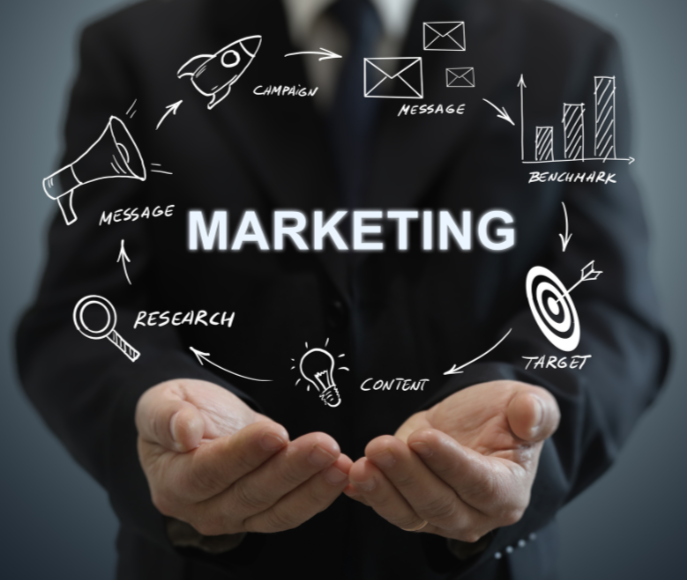
“Success is built on strategy, not chance.” —Anonymous.
Executive Summary
A comprehensive marketing plan is essential for independent artists seeking to achieve sustainable success in today’s competitive music industry. This article outlines actionable strategies, supported by research and industry best practices, to empower artists to define their brand, reach their audience, and convert engagement into measurable growth.
I. Independent Artist in Action
Imagine Alex, an independent singer-songwriter, who struggled for years to gain traction on streaming platforms. After crafting a focused marketing plan—identifying her niche audience, selecting the right platforms, and measuring her progress—she saw a steady growth in followers and live show attendance. Alex’s experience shows the difference a thoughtful marketing strategy can make.
II. The Importance of a Marketing Plan
The modern music landscape demands that independent artists approach their careers with the same strategic rigor as established corporations. Developing a structured marketing plan is not optional—it is the foundation of sustained visibility, scalable growth, and financial viability.
The current music marketplace operates at the intersection of creativity and commerce. Independent artists must adopt a disciplined, corporate approach to career development, treating their artistic pursuits as entrepreneurial ventures. A strategic marketing plan is not simply a recommendation—it is the foundation of sustained visibility, scalable growth, and financial viability.
III. Identify Your Target Audience
Independent artists must define a precise target audience; this is the cornerstone of any effective marketing plan. Music research shows that artists who strategically tailor their messaging to defined demographics achieve a 20–70% increase in audience engagement compared to those who use generic outreach [1]-[3]. These findings underscore the value of targeted marketing enables artists to craft relevant content, maximizing both reach and impact. Independent artists should invest in audience research tools and analytics to segment and understand their ideal listeners, ensuring efficient resource allocation and higher conversion rates. Independent artists should leverage advanced audience research tools, social media analytics, and direct fan engagement to segment and profile their ideal listeners. Starter tools such as Spotify for Artists, Instagram Insights, and Google Analytics offer user-friendly dashboards and valuable data on audience demographics and behavior. This data-driven approach ensures more efficient allocation of resources and maximizes conversion potential.
IV. Leverage Multi-Channel Promotion
Independent artist must diversify promotional strategy across multiple platforms amplifies an artist’s reach and resilience against market shifts. Music research demonstrates that artists leveraging a minimum of three digital platforms experience 40% greater audience growth than those relying on a single channel [4]-[9]. Consequently, multi-channel promotion mitigates platform risks and expands touchpoints for audience interaction. Independent artists should develop content tailored for each platform to optimize audience engagement and drive sustainable growth. For example, behind-the-scenes videos and interactive stories work well on Instagram, while sharing song previews or playlists can increase activity on Spotify. Artists should develop and execute integrated content strategies that encompass social media, streaming services, email marketing, and live event promotion. On YouTube, artists might post music video teasers or vlogs about their creative process. Email newsletters can offer exclusive tracks or direct-to-fan updates. For live events, consider streaming short acoustic sets or Q&A sessions to foster real-time connection. Each channel must be tailored to the unique audience and engagement style of its respective platform. This approach reinforces brand consistency, maximizes platform-specific strengths, and expands audience reach, thereby increasing market penetration and fostering greater brand loyalty.
V. Set Measurable Goals and Track Performance
Independent artists must establish clear, quantifiable goals an essential for evaluating the effectiveness of a marketing plan. Research highlights that artists who set and regularly review specific metrics are 50% more likely to achieve their business objectives [10, 11]. Measurable goals provide the framework for accountability and agile decision-making, enabling artists to identify what works, pivot as needed, and systematically scale their business operations. Independent artists should implement comprehensive performance tracking systems such as key performance indicators (KPIs), to monitor progress and inform future marketing decisions. Sample KPIs include monthly listeners on streaming platforms, email subscriber growth, and social media engagement rates. Naming and tracking targeted KPIs can help artists stay focused on what matters most and drive real progress. Additional, key metrics may include audience growth, engagement rates, conversion rates, and revenue streams. This data-driven feedback loop informs future marketing investments and strategic pivots.
VI. Conclusion
A robust marketing plan empowers independent artists to transform creative ambition into sustainable business outcomes. By identifying target audiences, leveraging diverse promotional channels, and setting measurable goals, artists position themselves for enduring success in a rapidly evolving industry. Remember, every step you take builds your future. Stay focused and keep moving forward—your success story is just beginning.
Key Takeaways for Independent Artists
Create a Strategic Plan: Treat your music as a business to gain visibility and ensure long-term growth.
Define Your Audience: Use data analytics to identify your listeners, allowing for tailored content and higher engagement.
Use Multi-Channel Promotion: Leverage platforms like Instagram, YouTube, and Spotify to maximize reach and foster loyalty.
Track Measurable Goals: Set, monitor, and analyze KPIs (streams, engagement) to drive continuous improvement.
Convert Art into Results: A solid marketing plan transforms creative ambition into sustainable industry success.
Edited by Dr. Tyanne D. Mobley, Grace C.
Engagement Questions
Defining Target Audience & Data Strategy: What is the first actionable step you will take to define your target audience and incorporate data-driven decision-making into your music marketing plan?
Multi-Channel Promotion Strategy: Which specific platform (e.g., TikTok, Instagram, email list) will you prioritize for consistent content customization to better foster audience loyalty, and what type of content will you create for it?
Goal Setting & KPI Tracking: Based on your current streaming or social data, what is one measurable KPI (e.g., 10% increase in Spotify saves, 50 new email subscribers) you will commit to tracking over the next 30 days to ensure your marketing is driving tangible business outcomes?
About this Series
“ The Bridge | 52 Business Strategies for Independent Artists ” series transforms creative passion into a scalable revenue engine. By prioritizing commercialization, this curriculum gives creators the high-impact monetization frameworks required to shift from struggling DIY artists to successful, profit-driven entrepreneurs.
Read Part 7 | Investing in Quality Products here.
Don't forget to check out the Full Series Index: “ The Bridge | 52 Business Strategies for Independent Artists ” series to catch up on missed installments.
Series Navigation
| Part 1 | Part 2 | Part 3 | Part 4 | Part 5 | Part 6 | Part 7 | Part 8 | Part 9 |
Ready for the next level?
Complete our Independent Artist Inquiry to bridge the gap between your talent and our premium artist development services.
Scroll Down to the Footer to Subscribe to “ The Bridge ” newsletter.
Sources
Gupta, S. (2026), Influencer marketing vs. traditional marketing: What works for Gen Z. International Journal of Advanced Research, 14(01), 01-15. https://dx.doi.org/10.21474/IJAR01/22509
Raymond, L., Yu, S., Zhang, J., Zurawicki, L., & Duarte, M. (2025). Marketing strategies and success factors for independent artists in the digital music industry, Abstract Books of The Gobal Conference on Business, Management and Marketing, 2(1).
Zigpoll. (2025). Why Artist Collaboration Campaigns Are Essential for Driving Brand Engagement and Business Growth. https://www.zigpoll.com/content/how-can-artist-collaboration-campaigns-be-leveraged-to-enhance-brand-engagement-and-drive-measurable-business-outcomes-in-the-digital-space
Deloitte. (2026). 2026 Digital trends: Capturing always-on fandom between releases and seasons. https://www.deloitte.com/us/en/insights/industry/technology/digital-media-trends-consumption-habits-survey.html
Pallikaraki, R. (2026). Multi-channel vs single-channel lead generation: ROI analysis for 2026 [Blog Post]. Martal Group. https://martal.ca/multi-channel-vs-single-channel-lead-generation/#:~:text=Organizations%20implementing%20multi%2Dchannel%20campaigns,complexity%20of%20managing%20multiple%20platforms.
Nguyễn, T.V.A., Ha, N., S.; Dinh, H. H. D., & Nguyen, M. H. (2025). The impact of social media platforms on marketing. Social Science and Humanities Journal. 9(1), 6653-6659. https://doi.org/10.18535/22hj.v9i01.1626
Zigpoll. (2025). Why Artist Collaboration Campaigns Are Crucial for Digital Product Launch Success. https://www.zigpoll.com/content/how-can-we-effectively-measure-roi-and-audience-engagement-from-artist-collaboration-campaigns-in-digital-product-launches#:~:text=How%20to%20Implement%20Each%20Strategy,%2C%20and%20user%2Dgenerated%20challenges.
8. Murphy, S., & Margee, H. (2023). The new digital music market ecosystem: Artist direct. Creative Industries journal, 18(10), 1-33. https://doi.org/10.1080/17510694.2023.2214492
MIDiA. (2022). What happens when every platform has different top artists? Hint: it may be a good thing. https://www.midiaresearch.com/blog/what-happens-when-every-platform-has-different-top-artists-hint-it-may-be-a-good-thing#:~:text=different%20top%20artists?-,Hint:%20it%20may%20be%20a%20good%20thing,earn%20revenue%2C%20and%20build%20fanbases.
Alexiou, K., & Wiggins, J. (2022). Legitimating business skills in fine arts education: The role of entrepreneurial orientation. International Journal of Arts Management, 24(3), 4–20.
Udo, R., Loots, E., Thurik, R., & Teeffelen (2025). Simply the best? Entrepreneurial orientation and success of music artists. International Entrepreneurship and Management Journal, 21(1). https://doi.org/10.1007/s11365-025-01131-3